


Beijing reimposes full seafood ban on Japan amid deepening dispute
Anabelle Colaco
21 Nov 2025, 05:55 GMT+10

 Share
Share
 Tweet
Tweet
 Share
Share
 Flip
Flip
 Email
Email
Subscribe and Follow
Get a daily dose of Manila Metro news through our daily email, its complimentary and keeps you fully up to date with world and business news as well.


News RELEASES
Publish news of your business, community or sports group, personnel appointments, major event and more by submitting a news release to Manila Metro.
More InformationBeijing reimposes full seafood ban on Japan amid deepening dispute
TOKYO/BEIJING: China has moved to shut off all Japanese seafood imports, deepening an already volatile diplomatic clash that has rattled...
China lent $200 billion to US economy despite Washington’s warnings

WASHINGTON, D.C.: A new report has exposed a striking contradiction at the heart of U.S. foreign policy messaging: while Washington...
Tokyo seeks calm as China issues travel advisory on travel to Japan

TOKYO/BEIJING: Japan moved on November 17 to ease rising tensions with China over Taiwan, after Beijing urged its citizens to avoid...
Dyed hair, nail art now OK as Japan relaxes workplace appearance rules

TOKYO, Japan: Faced with a shrinking workforce and fierce competition for young staff, more Japanese companies are easing long-standing...
Seoul wins tariff relief as Samsung, others pledge more local spending

SEOUL, South Korea: South Korea's biggest conglomerates unveiled major new domestic spending plans on November 16, offering a show...
US trade deal gives Seoul nuclear sub rights, slashes tariffs

SEOUL/WASHINGTON, D.C.: South Korea will invest US$350 billion in U.S. industry and receive approval to build nuclear-powered submarines,...
Trump lashes out at ABC, calls for licenses to be taken away
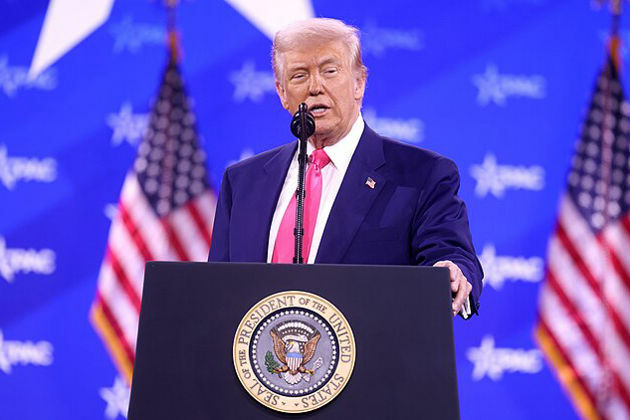
WASHINGTON, D.C.: A brief exchange with a reporter has prompted U.S. President Donald Trump to renew his calls for federal regulators...
Court faults DOJ for major errors in case against ex-FBI chief Comey

WASHINGTON, D.C: A federal judge ruled on November 17 that the Justice Department showed a disturbing pattern of profound investigative...
World Cup visitors to get faster US visa interviews under new plan

WASHINGTON, D.C.: With the United States preparing to host matches in next year's World Cup, the Trump administration is rolling out...
Deaths surging among Palestinians in custody of IDF and Israeli jails
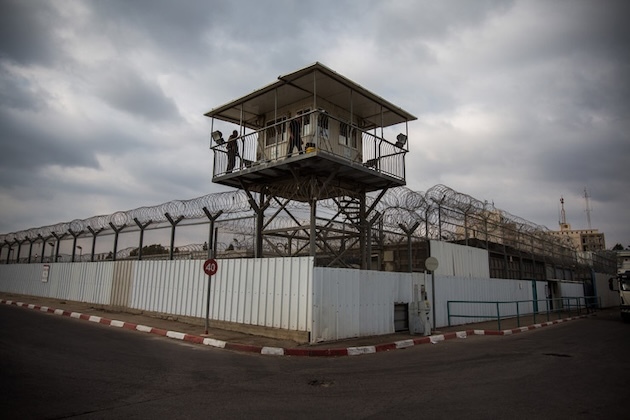
A new report by Physicians for Human Rights Israel (PHRI) alleges that at least 94 Palestinians have died in Israeli custody over the...
Former prime minister of Bangladesh sentenced to death

DHAKA, Bangladesh: A Bangladesh court, after convicting former Prime Minister Sheikh Hasina of crimes against humanity, has sentenced...
Tokyo seeks calm as China issues travel advisory on travel to Japan
TOKYO/BEIJING: Japan moved on November 17 to ease rising tensions with China over Taiwan, after Beijing urged its citizens to avoid...
